
A clear need for precise prostate imaging
Current diagnostic pathways leave clinicians with uncertainty—and patients facing unnecessary, anxiety-inducing procedures.
- 1 in 2 cancers missed by systematic biopsy
- UP TO 28% of cancers missed by MRI
- 70% of all prostate biopsies are currently unnecessary
- 50-65% of men with a positive MRI proceed to biopsy without having cancer
The current pathway does not provide consistent PCa diagnosis
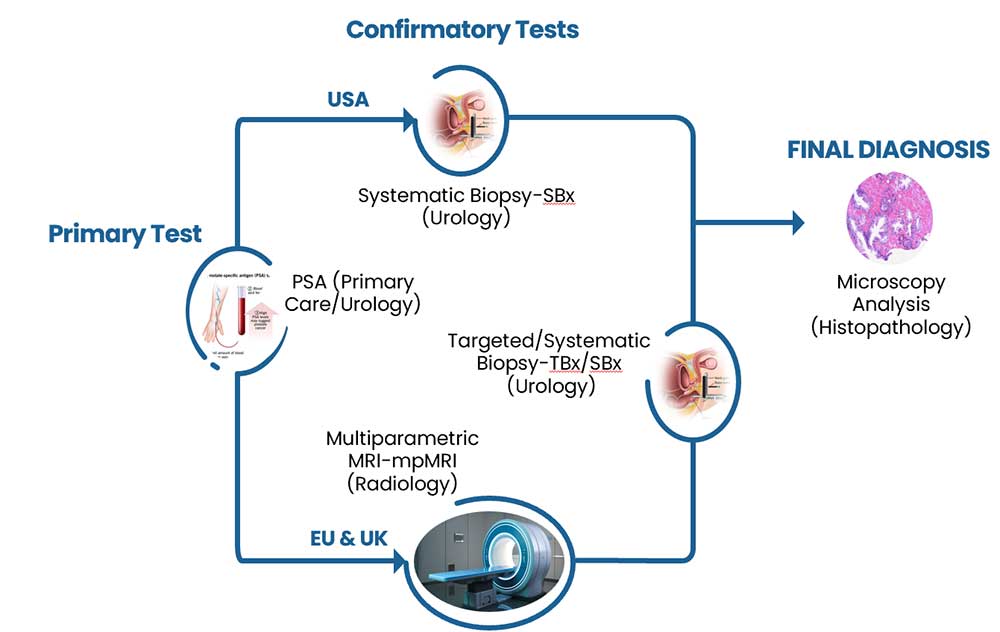
62% of prostate MRIs & 70% of biopsies are unnecessary
New cases / year
Prostate biopsies/year
Missed cancers/year
Unnecessary biopsies/year
New cases / year
Prostate biopsies/year
Missed cancers/year
Unnecessary biopsies/year
ProViu Technology
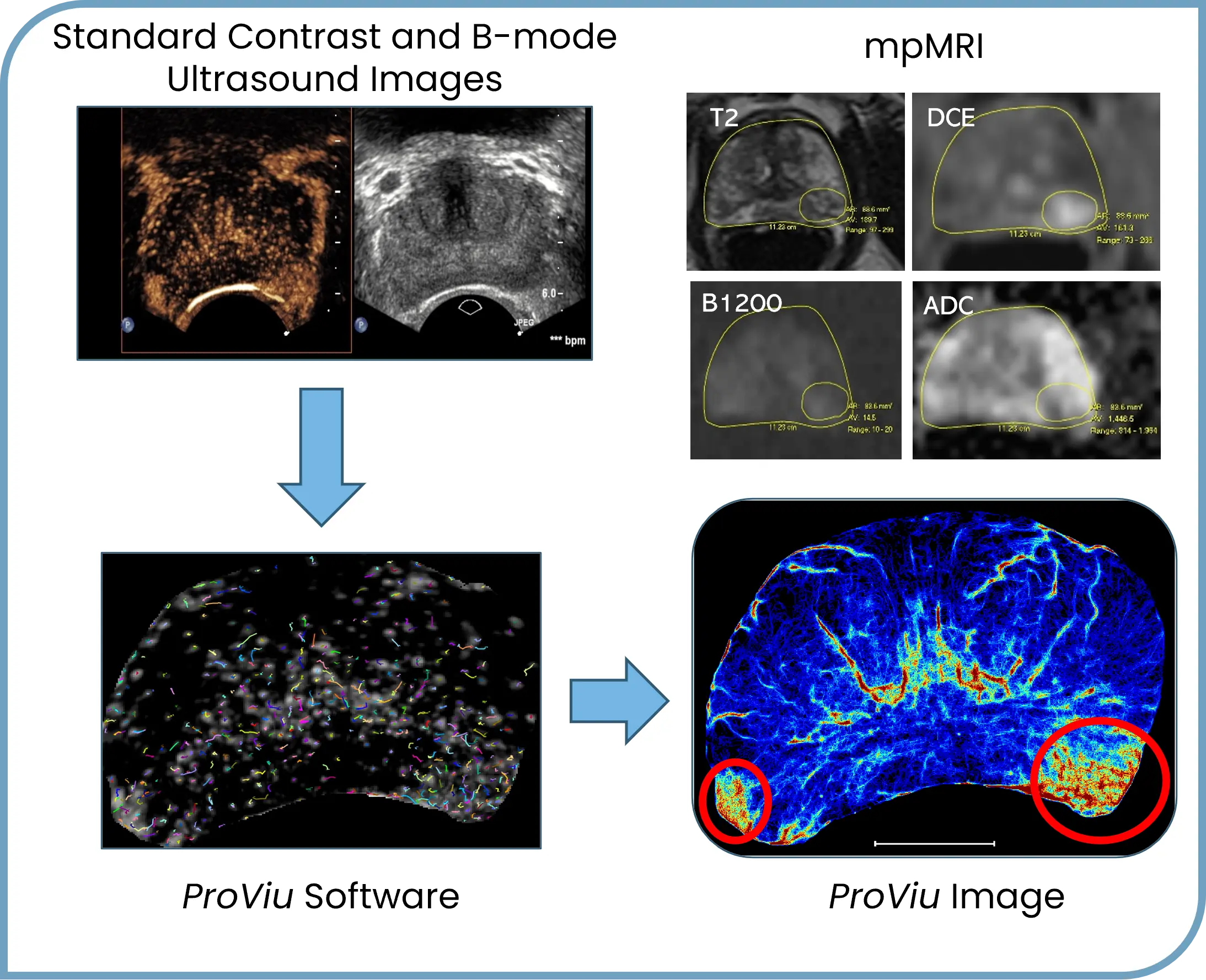
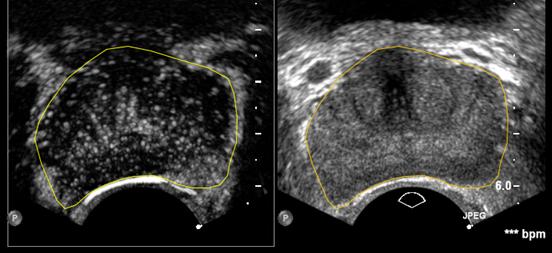
Super-resolution microvascular imaging that reveals finer detail than conventional methods
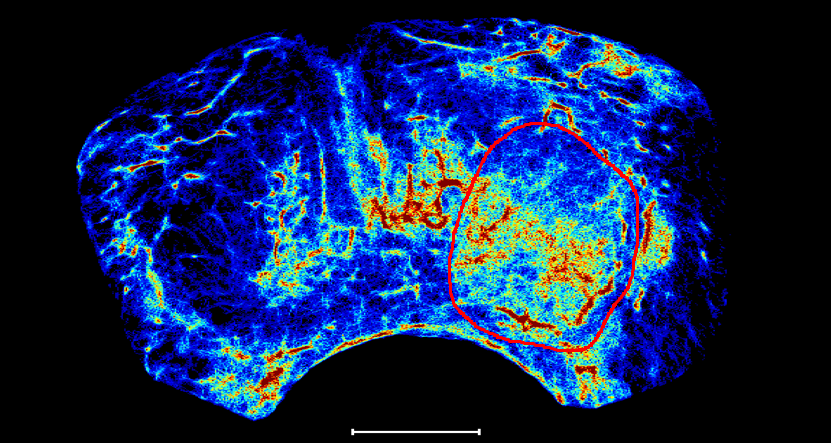
ProViu technology transforms conventional ultrasound into high-resolution, decision-ready imaging of prostate vasculature — enabling urologists to detect cancer earlier, act faster, and treat with confidence.
Feasibility data demonstrates MRI-level performance, with future clinical studies underway to validate and improve diagnostic accuracy.
Setting a new standard in prostate cancer diagnosis
Our new imaging modality turns everyday ultrasound into a high-clarity, decision-ready image that allows urologists to identify prostate disease/cancer earlier, act faster, and treat with confidence—during the patient visit. By replacing uncertainty and delay with clarity and speed, we reduce costs, simplify care, delivering better outcomes for patients from the very start.
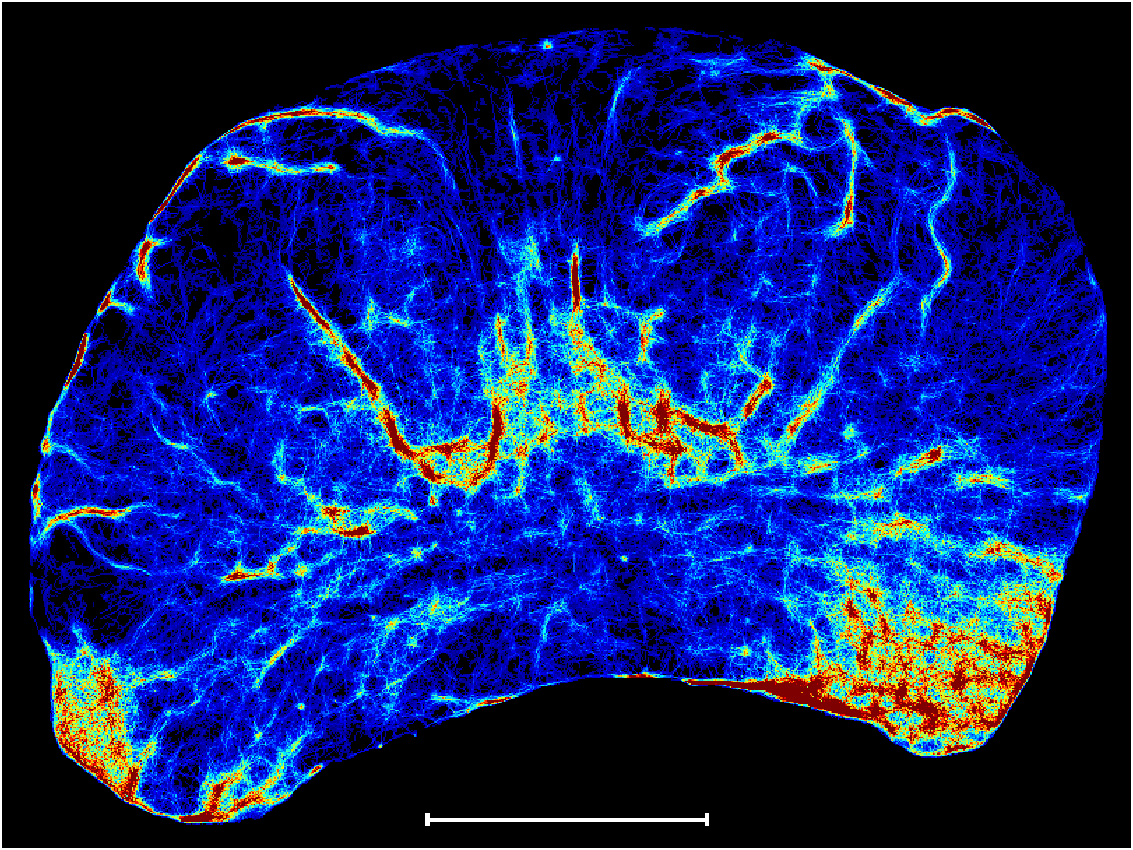
A novel imaging modality derived from Astronomy & Optical Microscopy
- Image clarity: Finer detail than existing technologies
- Reveals tumour-associated vascular patterns for earlier, more accurate detection
- Measures key vascular morphological properties for even more accurate diagnosis
How it works
Clinical Value
ProViu is designed to shift diagnosis earlier and closer to the patient, providing diagnostic capability without the infrastructure requirements, contraindications or capacity constraints associated with multiparametric MRI — the current standard of care. ProViu delivers:
- Precise lesion targeting for biopsy enables earlier detection
- Faster assessment since the scan can be performed directly in Urology
- Higher diagnostic accuracy reduces unnecessary biopsies, invasive procedures, and improves patient outcomes
By delivering MRI-comparable performance in urology through ultrasound-based technology, ProViu reduces reliance on MRI – enabling more efficient allocation of radiology resources, significant cost savings for healthcare systems, and shorter waiting lists. The technology holds strong potential to improve early detection rates and increase survival in prostate cancer.